1Diplodocus not yet visited2Stegosaurus not yet visited3Velociraptor not yet visited4Tyrannosaurus not yet visited5Triceratops not yet visited6Mammuthus not yet visited
Saved discoveries (0)
Choose a collection and save it here. You can return to its globe location and research reference anytime.
SCENERY / Cretaceous-inspiredRiver floodplain
An open riverbank beneath a luminous, clouded sky.
Illustrative environments, not reconstructions of the selected locality. Collection ages and evidence remain in the notes below.
THE PREHISTORIC OBSERVATORYTurn the world. Follow a discovery.
Bringing the world into focus…
TyrannosaurusKnudsen's Coulee (NMC 9954)
MODERN EARTH · ROUNDED LOCATIONSDrag to orbit · Scroll / pinch to zoom Artistic prehistoric sky · not an ancient Earth reconstruction
Focus the globe: arrow keys rotate or zoom · + / − zoom · Home resets · Space pauses rotation.
AI-created reconstruction · appearance is interpretive
MEET THE GENUS / Tyrannosaurus
Tyrannosaurus rex
Tyrannosaurus rex is the illustrated example for this genus search. Collection identifications and age estimates can be revised.
The age range describes a collection record and its rocks. It is not an exact birth-to-death date for an animal. Overlapping ranges do not prove animals lived together.
Separate place from habitat
The globe shows rounded present-day coordinates. Ancient coastlines and continents were different; the artistic skybox is not evidence for the locality’s ancient environment.
Follow the reference
A genus identification is a starting point. Open the PBDB record and its research reference to inspect the evidence; identifications and geological estimates can change.
Understand the snapshot
This is a small curated collection, not all known fossils. Some collection sites appear under multiple genera.
Locations use modern coordinates rounded to 0.1°, not reconstructed ancient continents or access directions. Ages are PBDB collection ranges, not exact animal lifetimes; taxonomy, reworked material, and interval estimates can be revised. The genus Mammuthus includes mammoths beyond the woolly mammoth. Some collections appear under more than one genus search. Data: Paleobiology Database contributors, CC BY 4.0; filtered, fields selected, and coordinates rounded.
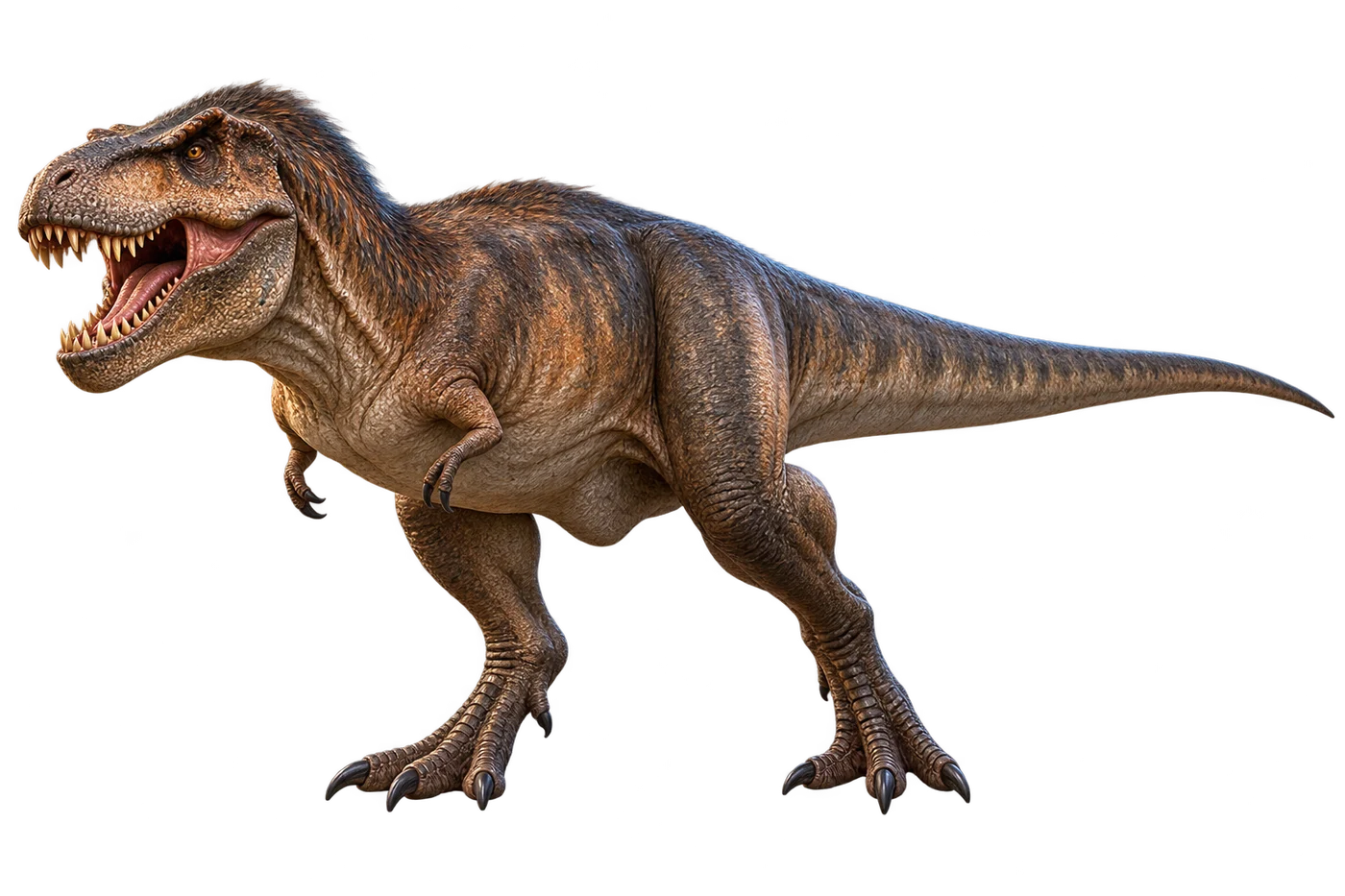 AI-created reconstruction · appearance is interpretive